Carsharing, especially in the P2P format, is so tightly integrated into the life of the United States that local and central authorities are adopting special legislative acts that could legitimize activity and tax the relevant activity.
On July 1, 2018, Bill 743 of the Senate comes into force, which equates P2P to the classic car rental, obliging him to pay state taxes, compulsory insurance and observe the safety rules prescribed for companies.
The Bill 743 was initiated by the ACRA (American Car Rental Association). According to the amendments, P2P carsharing will be taxed 8% tax, and after 1 year, tax 11.5%. It is this tax that payed by all classic rental companies. But, car rental companies can save 3.5% of the tax, that is, actually paying only 8% of the tax. 3.5% can be saved by buying new cars and replacing the fleet.
Now, all P2P companies will be subject to the law and will be required to comply with the requirements as well as car rental companies:
Against ACRA, the largest operator of P2P carsharing, Turo, which proves that it is not a service in fact, but only a platform on where meet owners of cars and those who want to rent it.
From the latest news: Illinois can also pass a law on the restriction of P2P of car sharing, similar to what is in Maryland.

For full use of the service, you need to download the application GetManCar....
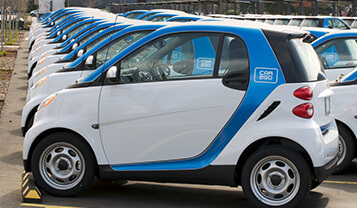
We often say and think that abroad is better. The United States, with their advanced technologies and forward movement fill better we think so. Carsharing is also grateful to the US for its development, it was there it got a flowering and moving forward....
One type of car sharing is the P2P or peer to peer format. This model is already used in the rental of real estate for travel by the Air BNB service, as well as car rental companies, aggregators offering car rental from several companies.